Warm-up
In post 14 I again focus on the ability to take perspectives as a discrete, recognizable skill. A perspective is a point interacting with a view. Change the point on a view, and the perspective changes. For a detailed example of point and view interactions in perpsective, see Post 2.
My real world example for #14 comes from my own experience as a college student.
Before you begin reading, you might ask yourself, what gets in the way of people growing as perspective-takers with skill in both understanding and changing perspectives? I’ll give you one idea to start here, people too often talk as if there is a single perspective.
Real World Example #14
I began my last big paper for my undergraduate degree in a Sino-American History class in the Spring of 1994. I wanted to research American State Department relations with the Chinese Communists during WWII. My professor discouraged me from pursuing the idea. He told me the topic had been looked at by so many historians that I was unlikely to come up with a novel take on the subject. Stubbornly, I forged ahead anyway.
I spent months reading WWII era U.S. State Department documents in the library basement. By the end of the semester, I had a paper I was proud of, and my professor was impressed as well. So impressed, he suggested my idea was publishable.
At the time, I was eager to go explore the world and wasn’t interested in publishing a paper. So Communication Chaos, (my title for the paper) went into a file in my cabinet.
Some time after I discovered DSRP I reread my old paper (around 2014). I was startled to notice that the chaos I had been referring to in the paper was a result of the Roosevelt State Department’s failure to understand how different human perspectives can vary wildly due to implicit points on the view. I argued that the US State Department’s mental model of the Chinese Communists during WWII was flawed because diplomats were not adjusting strategically for the varying perspectives reporting back to Washington over the course of the war.
The thought that really struck me to the ground after that 2014 reread through was this: I’d clearly understood perspective-taking in the context of my paper in 1994, and clearly couldn’t transfer this skill in any other places when I was explicitly trying for the previous 20 years. I did develop other strategies to address this skill gap, but they were complicated and pretty unreliable.
DSRP Study: Reads / Mechanics
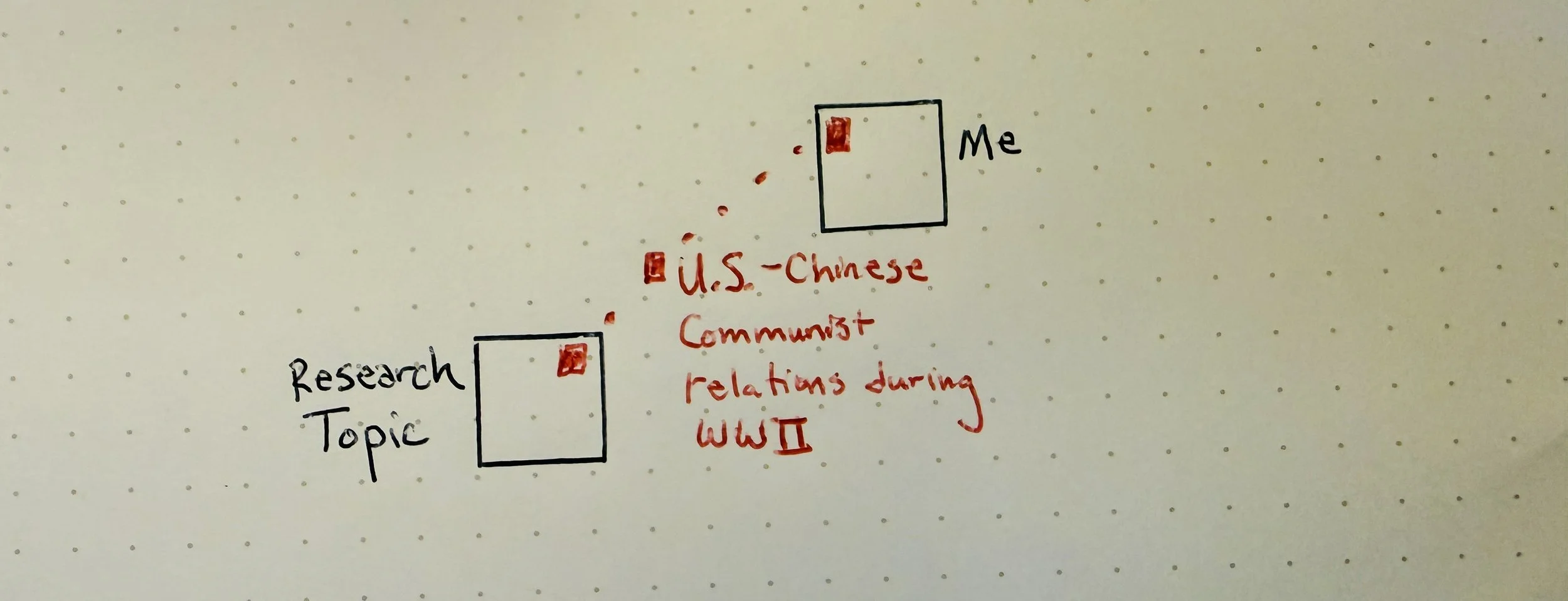
Map 1. A perspective map where the point is me as an undergrad on the view research topic.
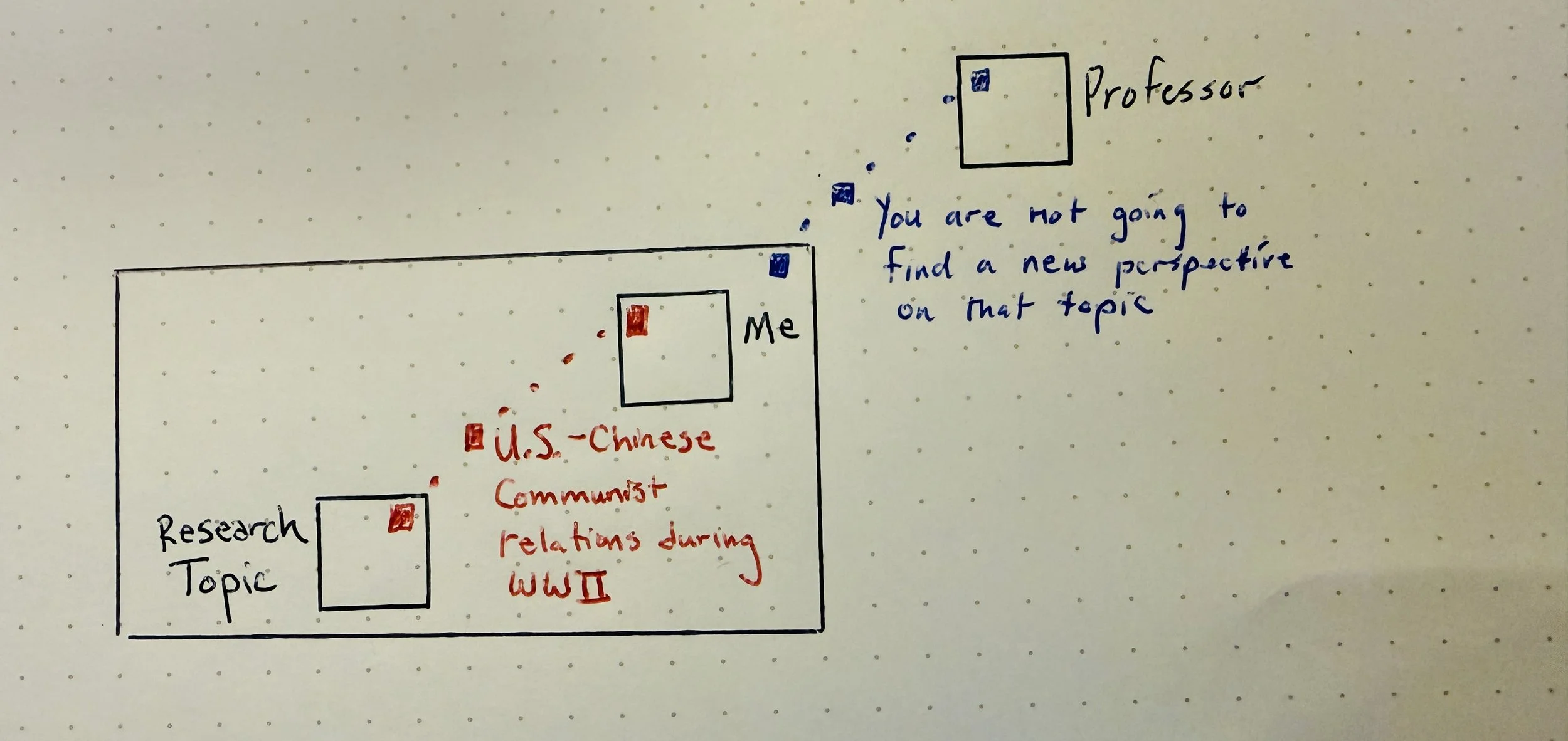
Map 2. My professor’s original perspective (in blue) on my perspective.
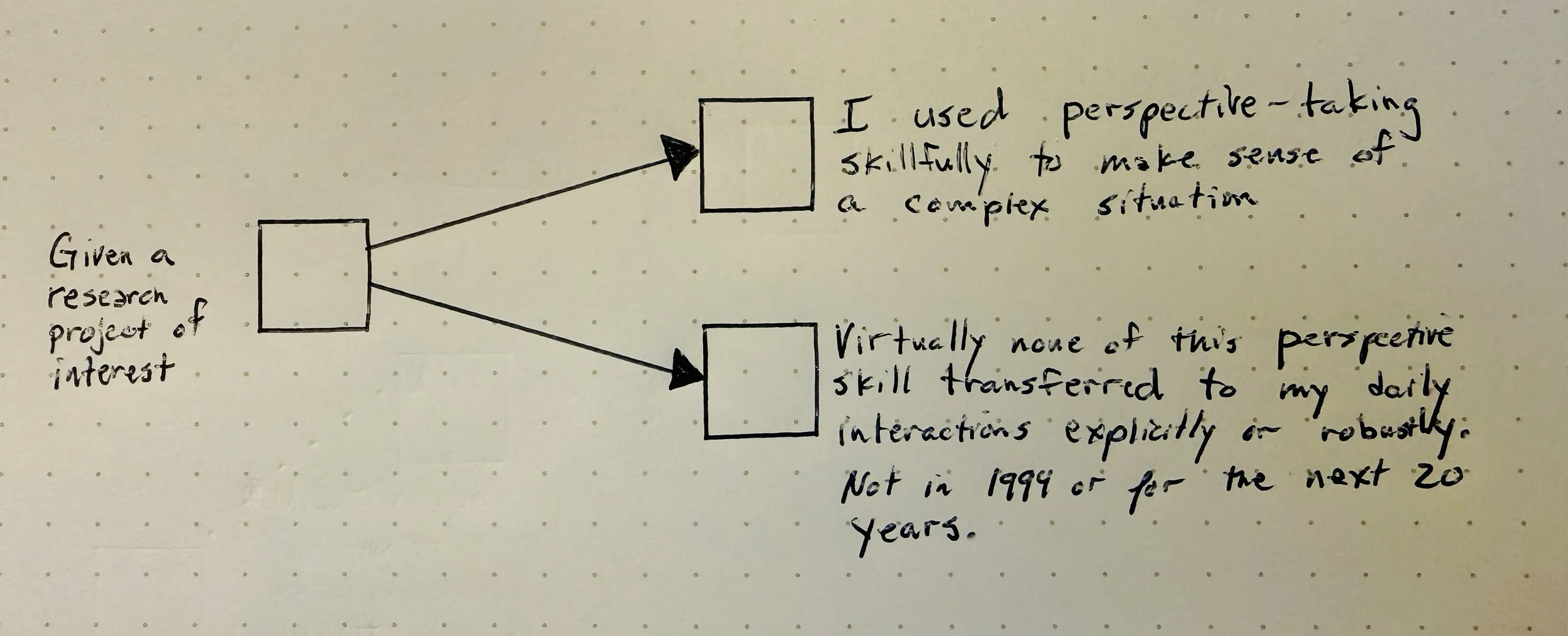
Map 3. One might wonder about the causal web at play where skills do not transfer.
How I’ve Updated Some Mental Models Since
I’m going to limit this to one idea that followed my 2014 conclusion about my ultra limited ability to explicitly use perspective taking.
The idea is this- while my professor told me my idea was worthy of publishing, he didn’t tell me my main idea was valuable for use in every conversation I would ever have with every human being going forward. He couldn’t see perspective-taking as an ever present and transferable skill either. I still value his mentorship, and felt seen more by him than any other faculty member I worked with during my undergraduate studies. He too could do perspective-taking really well in certain circumstances, and yet in others, the skill virtually disappeared.
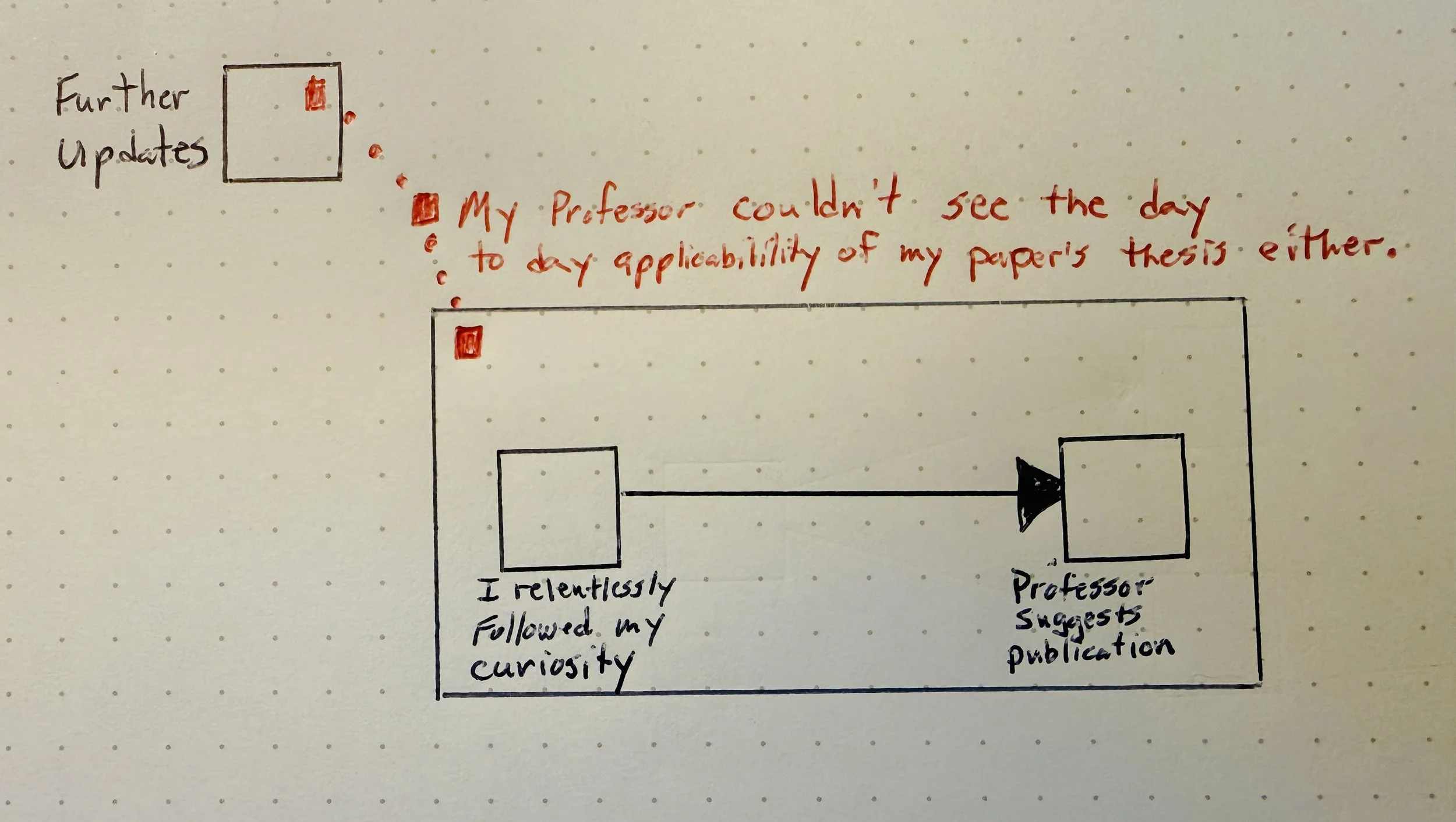
Map 4. This perspective map is not trying to say that we always misunderstand other people’s perspectives. I would argue though that the chance for alignment of perspectives without explicit effort isn’t as high as most people think.
When I was teaching in a rural high school, an exchange student I once worked with wrote in a paper: “Once you can really see and understand perspectives, about 80% of the problems of the world become trivial, ridiculous even.” I’d agree, and I’d add, unfortunately many of the people who cannot see and understand perspectives with the clarity of this exchange student would be terrified when first confronted with a dynamic understanding of the practice of perspective-taking.
In my next post, I’m going to start to build out my watershed with another research theory that I’ve found invaluable, Self-Determination Theory. It’ll be in an another section of the website. I’ll still be using DSRP for mapping and discussion. I’ll add posts to this Systems Thinking Intro section again at a later date. Rooting for you!